
Keeping Your Nanaimo Lawn Green Through a Dry Summer
How to Keep Your Lawn Green Through Nanaimo's Dry Summer Months
Overview
Nanaimo's summers can bring 6 to 8 weeks of low rainfall, stressing lawns that weren't properly set up in spring. The key strategies are deep infrequent watering early in the morning, raising the mow height to 3 inches, and avoiding fertilizer during peak heat. Lawns that were aerated and fertilized in spring are significantly more drought-resistant going into summer. Getting the watering right is the single biggest variable for homeowners during the dry months.
Get a Free Estimate Mark's Yard & Home serves Nanaimo and surrounding areas reach out today to get started.
Why Nanaimo Summer Heat Catches Homeowners Off Guard
The Dry Season Window on Vancouver Island
Nanaimo doesn't have a tropical summer, but the dry season is real and it catches homeowners off guard every year. After months of consistent rainfall from October through May, the taps effectively shut off in July and August. Total rainfall in those two months often drops to 30 to 50mm combined a fraction of what the lawn has been receiving through the wet season.
Grass that looked healthy all spring can start showing stress within two weeks of a dry spell, especially if it was cut short or fertilized at the wrong time. The homeowners who come out of summer with green lawns are almost always the ones who set the lawn up correctly in spring and adjusted their habits in June before the heat hit.
What Drought Stress Looks Like Before the Damage Is Done
Most homeowners notice drought stress when the lawn turns brown, but by then the damage is already done. The early warning signs come a week or two before browning: footprints staying visible after walking across the lawn, the grass losing its spring-back quality, blades curling inward, and a dull blue-grey tinge replacing the normal green.
If you catch these signs early and water deeply, the lawn can recover in a few days. If you miss them and the lawn goes dormant from heat and drought, recovery takes several weeks and may require overseeding in fall.
The Right Watering Approach for Nanaimo Lawns in Summer
Deep vs. Shallow Watering Why It Matters
Watering lightly every day is one of the most common mistakes Nanaimo homeowners make during summer. Light watering keeps the top inch of soil moist, which trains grass roots to stay near the surface where they're most vulnerable to heat and drying out. When shallow-rooted grass hits a dry spell, it wilts fast.
Deep, infrequent watering does the opposite. When you water long enough to push moisture 6 to 8 inches into the soil, roots follow it down. Deep-rooted grass holds up significantly better during Nanaimo's dry season because it's drawing moisture from lower in the soil where evaporation doesn't reach.
The general target for a Nanaimo lawn in summer: water once or twice a week, applying about 25mm (1 inch) of water per session. A tuna can or rain gauge placed on the lawn while you water tells you when you've hit that mark.
When to Water and When to Stop
Water early in the morning before 9am is ideal. Morning watering gives the lawn a full day to absorb moisture before evaporation kicks in, and the grass blades dry quickly once the sun is up, which reduces disease risk. Evening watering leaves the lawn wet overnight and can encourage fungal problems over time.
During a heat wave, the lawn may need water more frequently. During cooler stretches or when rain does arrive, skip scheduled watering and let nature do the work. Overwatering is just as damaging as underwatering it promotes shallow roots and creates ideal conditions for fungal disease.
Get a Free Estimate reach out to Mark's Yard & Home and we'll take a look at what your lawn needs heading into summer.
Mowing and Maintenance Through the Dry Months
Mow Height in Summer Why You Should Let It Grow
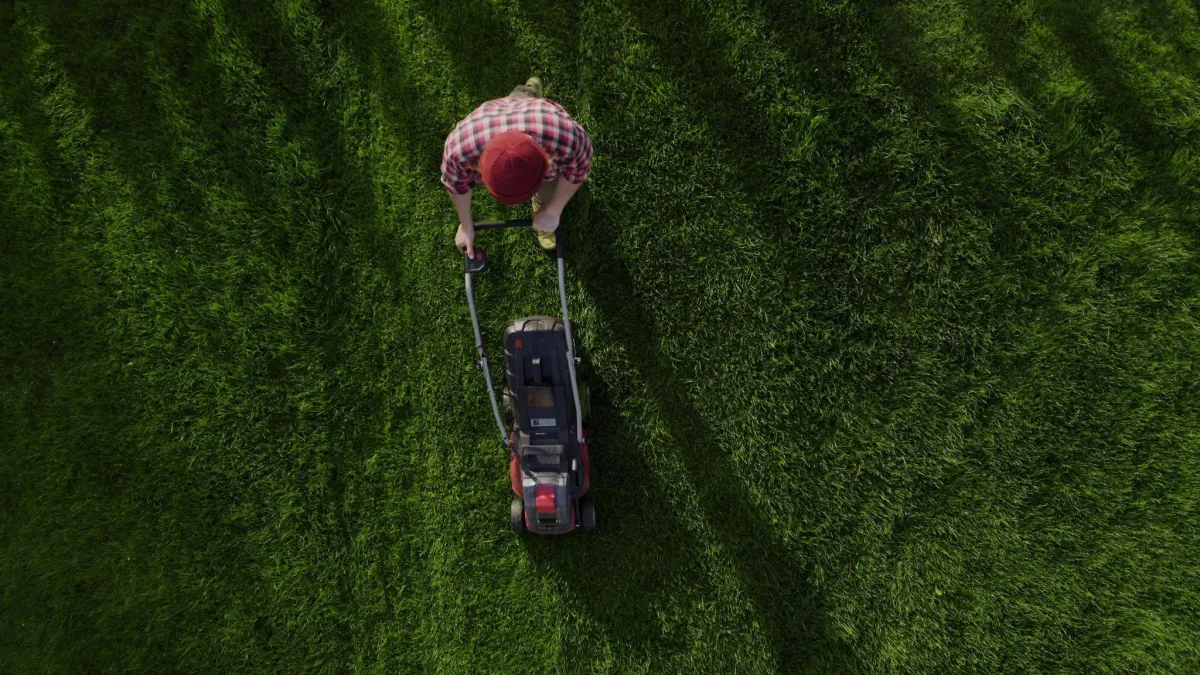
In spring, most Nanaimo homeowners cut their lawn at 2 to 2.5 inches. For summer, that height needs to come up. Cutting at 3 to 3.5 inches during the dry season shades the soil surface, reduces evaporation, and keeps the root zone cooler. A taller lawn simply holds up better in the heat than a closely cut one.
Avoid cutting more than one-third of the blade height in a single mow. If the lawn gets away from you and becomes too long, bring it down gradually over two or three cuts rather than scalping it in one pass.
Keep your mower blades sharp. Dull blades tear grass rather than cutting it cleanly, leaving ragged tips that turn brown and increase moisture loss exactly what you don't need during a dry summer.
What to Skip During Dry Spells (Fertilizer, Aeration)
Fertilizing during peak summer heat pushes grass into growth it doesn't have the moisture reserves to support. This weakens the lawn rather than strengthening it, and can cause fertilizer burn. If you fertilized in spring, that's enough to carry the lawn through summer.
Hold off on aeration during dry spells too. Aeration temporarily stresses the lawn, and stressed grass doesn't recover well when it's also dealing with heat and low moisture. Spring and early fall are the right windows for aeration in Nanaimo's climate summer is not.
Frequently Asked Questions
How often should I water my lawn in Nanaimo in summer?
Water once or twice a week, applying about 1 inch of water per session. Deep, infrequent watering trains grass roots to grow deeper into the soil, which gives the lawn better drought resistance. Watering lightly every day keeps roots near the surface and makes the lawn more vulnerable during dry spells.
Should I fertilize my lawn during Nanaimo's dry season?
No avoid fertilizing during periods of heat and low rainfall. Fertilizer pushes grass into growth that requires moisture the lawn may not have access to during summer, which can weaken the turf and cause burn. If you applied a spring fertilizer in April or May, that's enough. Fall is the next time to fertilize.
What height should I cut my grass in hot weather?
Raise your mow height to 3 to 3.5 inches during Nanaimo's summer months. Taller grass shades the soil, reduces evaporation, and keeps the root zone cooler. Never cut more than one-third of the blade length in a single mow, and keep your blades sharp to avoid tearing the grass.
Will my lawn recover after going brown in summer?
Yes most lawns go into temporary dormancy during extended heat and drought rather than dying. Once regular rainfall returns in September, dormant grass typically greens up within two to three weeks. If bare patches remain after the lawn comes out of dormancy, those areas may need overseeding in fall.
Get a Free Estimate Mark's Yard & Home offers free estimates in Nanaimo and surrounding areas reach out before the dry season hits.
